vizio m-series elevate 5.1.2 manual
Vizio M-Series Elevate 5.1.2 Sound System: A Comprehensive Guide
Welcome! This guide details setup, features, and troubleshooting for your new Vizio M-Series Elevate 5.1.2 immersive sound experience.
The Vizio M-Series Elevate 5.1.2 sound system represents a significant leap forward in home audio immersion. Designed to deliver a truly cinematic experience, this system combines powerful sound with advanced technologies like Dolby Atmos and DTS:X. It’s engineered to envelop you in rich, detailed audio, bringing your movies, music, and games to life.
This isn’t just a soundbar; it’s a complete audio solution featuring dedicated up-firing height channels for a three-dimensional soundstage. The Elevate’s unique rotating height speakers dynamically adjust to optimize sound based on your room’s configuration, ensuring optimal performance whether mounted on a wall or placed on a TV stand.
This guide will walk you through every step, from unboxing and setup to advanced configuration and troubleshooting, helping you unlock the full potential of your Vizio M-Series Elevate and enjoy a premium home theater experience.
Unboxing and Component Overview
Carefully unpack your Vizio M-Series Elevate 5.1.2 system, ensuring all components are present. The box should contain the soundbar itself, two rear surround speakers, a wireless subwoofer, the remote control, power cables for each unit, an HDMI cable, and this user manual. Inspect each item for any signs of damage during shipping.
The soundbar houses the primary speakers and up-firing Atmos drivers. The rear surround speakers provide immersive spatial audio, while the subwoofer delivers deep, resonant bass. The remote allows for convenient control of all system functions.
Before proceeding, familiarize yourself with each component’s ports and connections. Proper identification now will simplify the setup process. Retain the original packaging for potential future transport or warranty claims. Let’s begin by detailing each speaker unit individually.
What’s in the Box?
Inside the Vizio M-Series Elevate 5.1.2 packaging, you’ll find several key components designed to deliver a premium audio experience. These include the main Elevate soundbar, boasting integrated speakers and upward-firing drivers for Dolby Atmos. Accompanying the soundbar are two dedicated rear surround speakers, crucial for creating a truly immersive soundstage.
A powerful wireless subwoofer is also included, responsible for deep and impactful bass. You’ll also receive a remote control for convenient system operation, an HDMI cable for ARC/eARC connectivity, and individual power cables for the soundbar, subwoofer, and surround speakers. Finally, this comprehensive user manual is provided to guide you through setup and operation.
Please verify that all listed items are present and undamaged before proceeding. Contact Vizio support immediately if anything is missing or appears faulty.
Identifying Each Speaker Unit
The Vizio M-Series Elevate system comprises distinct speaker units, each playing a vital role in the overall soundscape. The soundbar itself houses the center, left, and right channels, alongside upward-firing height speakers for Dolby Atmos. Observe the fabric grill and angled design.
Rear surround speakers are identical and designed to be placed behind the listening position, delivering immersive spatial audio. They connect wirelessly to the soundbar. The subwoofer, a larger, separate unit, produces low-frequency effects – the rumble of explosions or the deep notes of music.
Each speaker unit has a rear panel with power input and, for the surrounds, a pairing button. Familiarize yourself with these components before setup. Correct placement is key to maximizing the Elevate’s potential.
Setting Up Your System
Before you begin, ensure all components are unpacked and placed in their desired locations. Consider room acoustics for optimal performance. The soundbar should be centered under your TV, while rear speakers flank the listening area. The subwoofer can be positioned almost anywhere, but corner placement often enhances bass.
Power on all units and proceed with connecting to your TV. HDMI ARC/eARC is the preferred method for high-quality audio transmission. Alternatively, utilize the optical audio output if HDMI ARC isn’t available. Bluetooth connectivity allows for wireless streaming from compatible devices.
Carefully follow the connection diagrams in this manual. Proper connections are crucial for a seamless and immersive audio experience. Double-check all cables for secure connections before proceeding to system configuration.
Connecting to Your TV (HDMI ARC/eARC)
HDMI ARC (Audio Return Channel) or eARC (enhanced Audio Return Channel) provides the simplest and highest-quality connection to your TV. Locate the HDMI port labeled “ARC” or “eARC” on both your TV and the soundbar. Use a high-speed HDMI cable – included in the box – to connect these ports.
On your TV, enable ARC/eARC functionality within the TV’s audio settings. The exact menu location varies by TV manufacturer; consult your TV’s manual for specific instructions. Ensure the soundbar is set to the appropriate HDMI input.
eARC supports lossless audio formats like Dolby TrueHD and DTS-HD Master Audio, delivering a superior sound experience. If your TV and soundbar both support eARC, prioritize this connection method for optimal audio fidelity.
Connecting Other Devices (Optical, Bluetooth, AUX)
Optical Audio: Connect devices like Blu-ray players or game consoles using an optical cable. Ensure the device’s audio output is set to “PCM” or “Dolby Digital.” The soundbar will automatically detect the connection.
Bluetooth: For wireless connectivity, access the soundbar’s Bluetooth pairing mode via the remote or SmartCast app. Enable Bluetooth on your device (smartphone, tablet, etc.) and select the Vizio soundbar from the available devices list.
AUX Input: The 3.5mm AUX input allows connection of older devices. Use a standard 3.5mm audio cable. Note that AUX offers lower audio quality compared to HDMI ARC/eARC or optical. Select the appropriate AUX input on the soundbar.
Understanding the Remote Control
Overview: Your Vizio M-Series Elevate remote provides complete control over the sound system. Familiarize yourself with its layout for optimal use. The remote requires two AAA batteries (not included).
Power Button: Turns the soundbar and entire system on or off. A red indicator light signifies standby mode, while a white or blue light indicates operation.
Input Selection: Cycles through available input sources (HDMI ARC/eARC, Optical, Bluetooth, AUX). The current input is displayed on the soundbar’s front panel.
Volume Controls: Adjusts the overall volume level. Use the “+” and “-” buttons for incremental changes. Muting is achieved by pressing the volume down button fully.
Key Button Functions Explained
Sound Mode: Cycles through preset sound modes – Movie, Music, Dialogue, and Standard – optimizing audio for different content. Each mode alters equalization settings.
Dolby Atmos/DTS:X: Activates or deactivates immersive audio decoding. Ensure your source content supports these formats for the best experience. A visual indicator confirms activation.
SmartCast Button: Launches the Vizio SmartCast app (if paired) or initiates voice control via compatible smart assistants. Requires initial setup within the app.
Subwoofer Level: Adjusts the volume of the subwoofer independently. Use cautiously to avoid overpowering other speakers. Fine-tune to your room acoustics.
Surround Level: Controls the volume of the rear surround speakers. Balancing this level with the front speakers creates a wider soundstage.
Remote Control Troubleshooting
No Response: First, ensure fresh batteries are correctly installed. Aim the remote directly at the soundbar’s front panel. Obstructions can interfere with the signal.
Intermittent Operation: Weak batteries are a common cause. Try replacing them with a new set. Check for interference from other devices emitting infrared signals.
Button Unresponsiveness: A specific button may be faulty. Try resetting the remote by removing and reinserting the batteries. If the issue persists, contact Vizio support.
Pairing Issues (SmartCast): If using SmartCast features, ensure the remote is properly paired with the sound system via the Vizio SmartCast app. Follow the in-app pairing instructions.
Lost Remote: The Vizio SmartCast app offers full remote functionality on your smartphone or tablet, providing a convenient alternative.
Initial System Configuration
Powering On: Connect the soundbar to a power outlet. The system will automatically power on when connected to a TV via HDMI ARC/eARC. Ensure all speaker units are also connected to power.
Source Selection: Use the remote to select the appropriate input source (HDMI ARC/eARC, Optical, Bluetooth, or AUX) matching your connected devices. The input source is displayed on the soundbar’s front panel.
Initial Setup Wizard: The soundbar may initiate a setup wizard upon first power-on. Follow the on-screen prompts to configure basic settings like language and network connection.
Room Calibration: For optimal sound, perform the automatic room calibration (detailed below). This process analyzes your room’s acoustics to optimize speaker output.
Volume Level: Start with a moderate volume level and adjust as needed. Excessive volume can cause distortion or damage to your speakers.
Automatic Room Calibration
Initiating Calibration: From the soundbar’s settings menu (accessible via the remote), navigate to “Audio” then “Calibration.” Select “Automatic Room Calibration” and follow the on-screen instructions; Ensure the room is quiet during this process.
Microphone Positioning: The soundbar utilizes its built-in microphone to analyze the room’s acoustics. Place the soundbar in its intended listening position. Avoid obstructions near the soundbar during calibration.

Calibration Process: The system will emit a series of test tones from each speaker. These tones are used to measure sound reflections and optimize speaker levels. Do not interrupt the calibration process.
Calibration Completion: Once complete, the system will display a confirmation message. The calibration process typically takes several minutes. Review the results and rerun if necessary.
Fine-Tuning: After automatic calibration, manual speaker level adjustments (see section below) can further refine the sound to your preference.

Manual Speaker Level Adjustment
Accessing Speaker Settings: Navigate to the “Audio” menu on your Vizio soundbar, then select “Speaker Levels.” This allows individual adjustment of each speaker’s volume – front left, front right, center, surrounds, and subwoofer.

Adjusting Individual Speakers: Use the remote’s directional buttons to increase or decrease the level of each speaker. Start with small adjustments (e.g., 1-2 dB increments). Listen carefully to the changes.
Subwoofer Level: Pay close attention to the subwoofer level; Too high can be boomy; too low can lack impact. Adjust to complement the other speakers.
Surround Speaker Balance: Ensure the surround speakers are balanced. Adjust levels to create a cohesive and immersive sound field.
Saving Your Settings: After making adjustments, save your changes. Experiment to find the optimal settings for your room and listening preferences.
Exploring Sound Modes
Sound Mode Selection: The Vizio M-Series Elevate offers several preset sound modes, accessible via the remote control or the SmartCast app. These modes optimize audio for different content types.
Available Modes: Common modes include Standard, Movie, Music, Dialogue, and Sports. Each mode adjusts equalization and processing to enhance specific aspects of the audio.
Experimentation is Key: Don’t hesitate to try different modes with various sources. What sounds best is subjective and depends on your personal preference and the content you’re enjoying.
Customization Potential: While presets are convenient, remember you can further refine the sound using the EQ settings (see Advanced Audio Settings section) for a truly tailored experience.
Understanding the Impact: Each mode subtly alters the soundstage, clarity, and bass response, providing a versatile listening experience.
Movie Mode: Immersive Cinematic Sound
Designed for Blockbusters: Movie Mode on the Vizio M-Series Elevate is specifically engineered to replicate the cinematic experience in your living room. It prioritizes expansive soundscapes and impactful bass.
Dolby Atmos Enhancement: This mode fully leverages the 5.1.2 channel configuration, utilizing the up-firing speakers to create a convincing height dimension, crucial for Dolby Atmos and DTS:X content.
Dynamic Range Control: Movie Mode employs dynamic range compression, ensuring dialogue remains clear even during loud action sequences, preventing it from being drowned out.
Optimal for Dark Rooms: The sound profile is best enjoyed in a dimly lit environment to maximize the immersive effect. The expanded soundstage truly shines in these conditions.
Consider Your Source: For the best results, pair Movie Mode with high-quality source material, such as 4K Blu-rays or streaming services offering Dolby Atmos support.
Music Mode: Optimized for Audio Playback
A Balanced Soundstage: Music Mode on the Vizio M-Series Elevate prioritizes clarity and balance, delivering a refined audio experience tailored for music enthusiasts. It aims to reproduce music as the artist intended.
Reduced Surround Emphasis: Unlike Movie Mode, Music Mode minimizes the use of surround speakers, focusing the soundstage towards the front for a more direct and focused listening experience.
Enhanced Vocal Presence: This mode subtly boosts vocal frequencies, ensuring lyrics are crisp and intelligible across various music genres, from pop to classical.

Ideal for Streaming Services: Music Mode is particularly well-suited for streaming music services like Spotify, Apple Music, and Tidal, providing an enjoyable listening experience.
Experiment with EQ: For personalized sound, consider using the EQ settings within the Vizio SmartCast app to fine-tune the audio to your preferences while in Music Mode.
Dialogue Mode: Enhancing Voice Clarity
Focus on Voices: Dialogue Mode on the Vizio M-Series Elevate is specifically engineered to amplify and clarify spoken words in movies, TV shows, and news broadcasts. It’s a lifesaver for content with quiet or muffled dialogue.
Reduced Background Noise: This mode intelligently reduces the prominence of background sounds and effects, bringing voices to the forefront for improved intelligibility.
Center Channel Prioritization: Dialogue Mode heavily utilizes the center channel speaker, where most dialogue is typically mixed, ensuring clear and direct vocal delivery.
Perfect for Complex Scenes: Ideal for action movies or scenes with extensive sound effects, Dialogue Mode ensures you don’t miss crucial lines of conversation.
Customization Options: Within the sound system’s settings, you can often adjust the intensity of Dialogue Mode to suit your hearing preferences and the specific content you’re watching;
Utilizing the Vizio SmartCast App
Extended Control: The Vizio SmartCast App transforms your smartphone or tablet into a powerful remote for your M-Series Elevate sound system, offering features beyond the standard physical remote.
Seamless Integration: The app provides complete control over volume, input selection, sound modes (Movie, Music, Dialogue), EQ settings, and system configurations.
Multi-Room Audio: If you have multiple compatible Vizio SmartCast speakers, the app allows you to create a whole-home audio experience, grouping speakers for synchronized playback.
Voice Control Compatibility: SmartCast integrates with popular voice assistants like Google Assistant and Amazon Alexa, enabling hands-free control of your sound system.
Firmware Updates: The app also facilitates easy firmware updates, ensuring your M-Series Elevate always has the latest features and performance improvements.
App Download and Setup
Downloading SmartCast: Begin by visiting the Apple App Store (for iOS devices) or the Google Play Store (for Android devices). Search for “Vizio SmartCast” and download the official application – ensure it’s published by Vizio Inc.
Account Creation/Login: Once installed, launch the SmartCast app. You’ll be prompted to create a Vizio account or log in if you already have one. This account links your devices for seamless control.
Device Discovery: With your account set up, the app will automatically scan your network for compatible Vizio devices, including your M-Series Elevate sound system. Ensure both your sound system and mobile device are connected to the same Wi-Fi network.
Adding Your Sound System: Select your M-Series Elevate from the list of discovered devices. The app may ask for confirmation or require you to enter a pairing code displayed on your TV screen.
Controlling the Sound System via the App
Main Control Screen: The SmartCast app’s main screen for your Elevate system provides quick access to power, volume control, and input selection. Adjust these settings with simple on-screen sliders and buttons.
Sound Mode Selection: Easily switch between pre-set sound modes like Movie, Music, and Dialogue directly from the app. Experiment to find the optimal setting for your content.
EQ Adjustments: Dive deeper into audio customization by accessing the equalizer (EQ) settings. Fine-tune specific frequency ranges to tailor the sound to your preferences.
System Settings: The app also allows access to system settings, including network configuration, firmware updates, and advanced audio options like Dolby Atmos and DTS:X settings. Regularly check for updates!
Advanced Audio Settings
Delving into Customization: The Vizio M-Series Elevate offers a range of advanced audio settings to personalize your listening experience. Access these through the system menu on your TV or via the SmartCast app.
Equalizer (EQ) Control: Fine-tune the sound signature with the 5-band EQ. Adjust frequencies to boost bass, clarify vocals, or refine overall tonal balance. Experiment to achieve your desired sound profile.
Surround Sound Configuration: Optimize the Dolby Atmos and DTS:X experience by verifying correct speaker assignments and height channel settings. Ensure proper calibration for immersive 3D audio.
Dialogue Enhancement: Further refine voice clarity using the advanced dialogue settings. Adjust the center channel level and apply voice boosting algorithms for improved intelligibility during movies and shows.
EQ Customization
Fine-Tuning Your Sound: The Vizio M-Series Elevate’s EQ allows precise control over the audio frequencies. Access the 5-band equalizer through the system’s settings menu, either on your TV screen or within the Vizio SmartCast mobile application.
Understanding the Bands: Each band represents a range of frequencies – typically 60Hz, 250Hz, 1kHz, 4kHz, and 8kHz. Adjusting these impacts bass, lower-midrange, midrange, upper-midrange, and treble respectively.
Making Adjustments: Increase a band’s level to emphasize those frequencies, or decrease it to reduce them. Small adjustments are recommended. Experiment with boosting the bass for impactful movies or enhancing vocals for clearer dialogue.

Saving Presets: Once you’ve created a preferred EQ setting, save it as a custom preset for quick access. This allows you to easily switch between different sound profiles tailored to various content types.
Dolby Atmos and DTS:X Configuration
Immersive Soundscapes: The Vizio M-Series Elevate supports both Dolby Atmos and DTS:X for a truly three-dimensional audio experience. Ensure your source device (Blu-ray player, streaming device) and content are compatible with these formats.
Automatic Detection: The sound system generally auto-detects Atmos and DTS:X signals. Verify that “Dolby Atmos” and “DTS Virtual:X” are enabled within the system’s audio settings menu for optimal performance.
HDMI eARC Requirement: To fully utilize lossless Dolby Atmos and DTS:X, a connection via HDMI eARC is strongly recommended. This ensures the highest bandwidth for uncompressed audio transmission.
Speaker Height Calibration: For the most accurate Atmos effect, confirm the system correctly identifies the up-firing speakers. Manual adjustments may be needed within the settings if the calibration is inaccurate.
Troubleshooting Common Issues
Facing difficulties? This section addresses frequent problems encountered with the Vizio M-Series Elevate. Before seeking further assistance, review these solutions.
Initial Checks: Always verify power connections, HDMI cable integrity, and source device audio output settings. A simple reboot of both the sound system and your TV can often resolve minor glitches.
Sound Issues: If experiencing no sound, confirm the correct input is selected and the volume isn’t muted. Bluetooth pairing problems often resolve with a device reset and re-pairing process.
Remote Problems: For a non-responsive remote, replace the batteries and ensure a clear line of sight to the soundbar. If issues persist, try the remote control reset procedure detailed in the manual.
No Sound Output
Experiencing silence? Several factors can cause a lack of audio from your Vizio M-Series Elevate. First, meticulously check all cable connections – HDMI, optical, or AUX – ensuring they are securely plugged into both the sound system and your source device.
Input Selection: Verify the correct input source is selected on the soundbar using the remote. Confirm your TV’s audio output is set to HDMI ARC/eARC (if applicable) or optical, matching your connection method.
Volume Levels: Ensure the volume isn’t muted on either the soundbar or your TV. Try increasing the volume gradually. Finally, test with a different audio source to isolate whether the issue lies with the sound system or the original content.
Bluetooth Connection Problems
Difficulty pairing? If your device isn’t connecting via Bluetooth, begin by ensuring Bluetooth is enabled on both your Vizio M-Series Elevate and your source device (smartphone, tablet, etc.). Confirm the soundbar is in pairing mode – typically activated by pressing and holding the Bluetooth button on the remote.
Device Compatibility: Verify your device is compatible with Bluetooth audio streaming; Move the device closer to the soundbar, as distance can interfere with the connection.
Clear Previous Pairings: If previously paired devices are causing conflicts, clear the Bluetooth pairing list on the soundbar and re-attempt the pairing process. Restarting both devices can also resolve connectivity issues.
Remote Control Not Working
No response from the remote? First, check the batteries! Replace them with fresh, correctly installed batteries. Ensure there’s a clear line of sight between the remote and the soundbar’s IR sensor – obstructions can block the signal.
Remote Pairing: The M-Series Elevate remote may require initial pairing. Consult the “Understanding the Remote Control” section for specific pairing instructions. Try resetting the remote by removing and reinserting the batteries.
Interference: Other devices emitting infrared signals might interfere. If problems persist, contact Vizio support for assistance or a potential remote replacement. A faulty remote may require professional attention.
Maintenance and Care
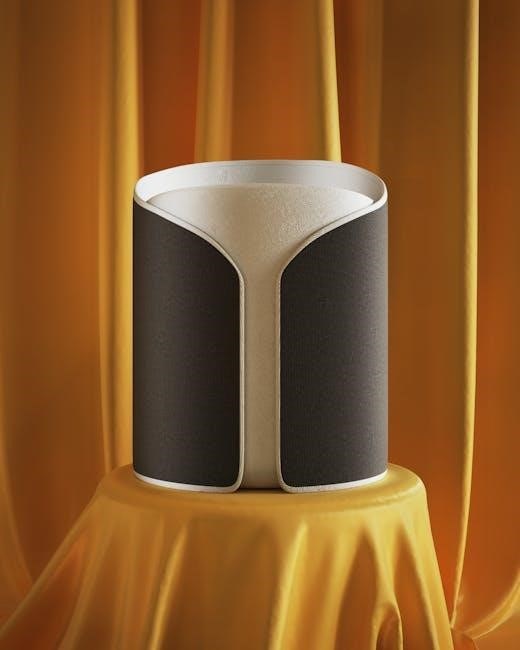
Keeping your Vizio M-Series Elevate pristine ensures longevity and optimal performance. Regularly dust the soundbar and speaker satellites with a soft, dry cloth. Avoid using liquids or abrasive cleaners, as these can damage the finish.
Speaker Grilles: Gently vacuum speaker grilles to remove dust buildup, using a brush attachment. Do not apply excessive pressure. For stubborn marks, lightly dampen the cloth with water and wipe carefully.
Storage: If storing the system for an extended period, repack it in its original packaging to protect it from dust and physical damage. Keep it in a cool, dry environment. Avoid extreme temperatures or humidity.
Congratulations on choosing the Vizio M-Series Elevate! This sound system delivers immersive audio with Dolby Atmos and DTS:X technologies, enhancing your home theater experience. This manual provides detailed instructions for setup, operation, and troubleshooting.
Safety First: Before installation, please read all safety instructions carefully. Ensure proper ventilation around the soundbar and subwoofer. Avoid placing the system near water or excessive heat. Keep the remote control away from small children.
Warranty Information: Your Vizio M-Series Elevate is covered by a limited warranty. Please retain your proof of purchase for warranty claims. Refer to the separate warranty document for complete details.